I Made Music With a Multi-Platinum Artist. You'll Never Hear It
How I let an opportunity seduce me into breaking my own rule
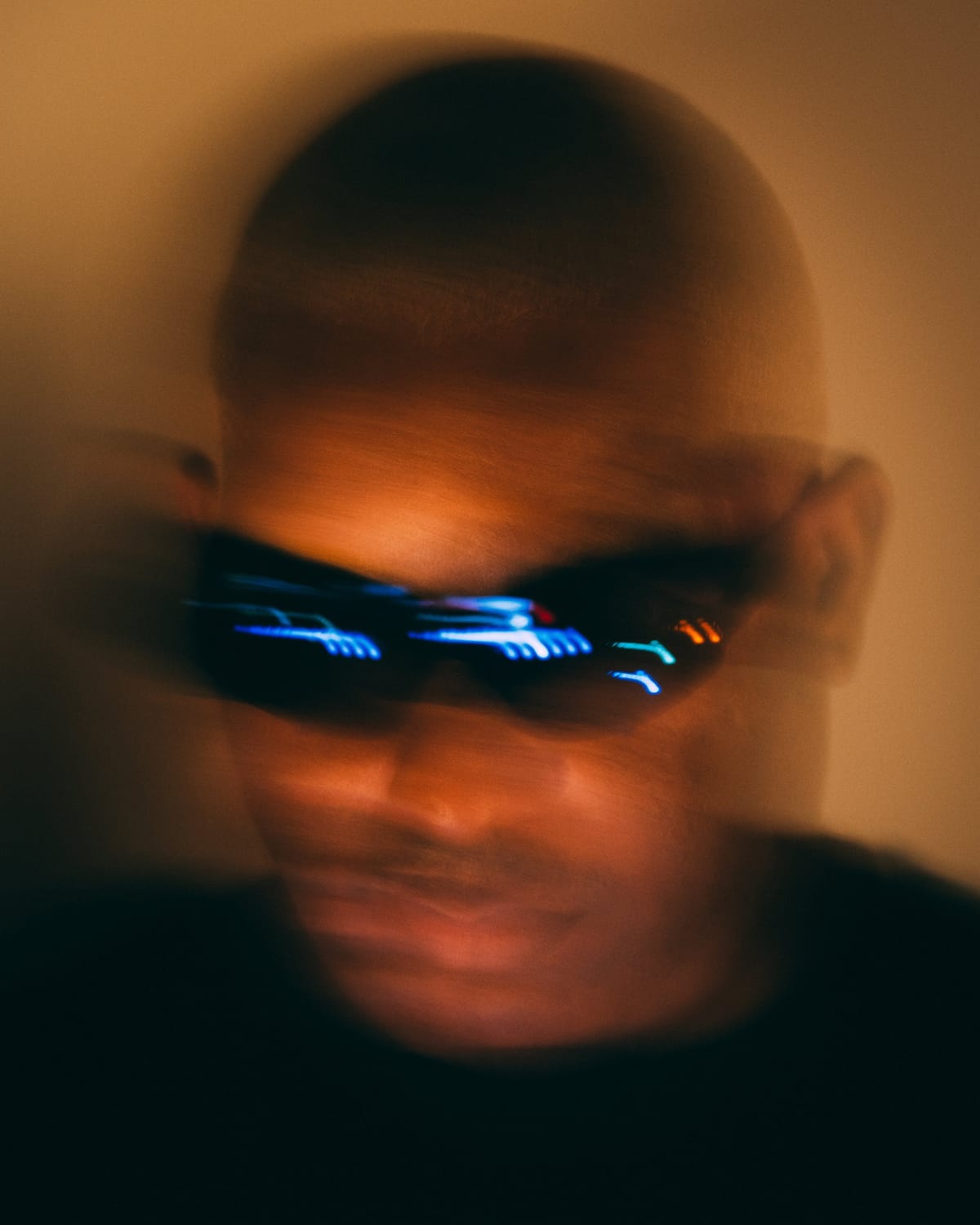
Let me be clear—I’m not in the music industry.
Under the moniker Scott Avery, I produce tracks, run a label, work with a collective—but mostly alongside people I respect as entrepreneurs, artists, and friends. Things just work in that world.
It’s my comfy little bubble.
This past summer, I stepped outside it. I started collaborating with a famous artist, and despite over 20 years of experience, I broke my own rule: I started work without a contract.
But I know better. Of course I do.
Looking back, I approached this opportunity like an inexperienced artist rather than a creative professional who uses established systems in every other aspect of my work.
Why the disconnect?
Simple. I got caught up in the chance to release music with a multi-platinum-selling artist. The opportunity seduced me—the potential attention, recognition, and accolades.
You can guess how this ends.
We made two tracks you’ll probably never hear. Not because they’re wack—they’re exceptional. You won’t hear them because we never agreed on terms, which means I don’t have the right to release them.
I trusted, based on repeated assurances, that we’d sort the agreement later. But that day never came. I sent it over. Followed up. Then again. Weeks passed. The contract sat unsigned. Eventually, the follow-ups stopped getting responses.
Those finished tracks, professionally mixed and mastered, sit on my hard drive, indefinitely shelved. Certified heat collecting digital dust.
Now I’m left with nothing. Well, almost nothing.
There is the lesson.
Here’s what I should have done (and what you should do):
Brought it up in the first conversation. Not after we vibed. Not after we talked vision. Immediately. Something like: “This sounds dope. I use a simple agreement for every project—it keeps things clear on ownership and splits before we start. I’ll send it over, and we can go through it together.”
Made it normal. Just part of the process, like discussing BPM or sending stems.
Before the first session, I should have walked through the agreement over the phone or in person—not just sent a PDF into the void. Explained it plainly: “This section covers who owns what. This part handles royalty splits. This covers credits.” Made sure they understood it, not just received it.
And the critical part—I should have made the signed agreement a prerequisite to starting work. Not aggressively. Just matter-of-fact: “Once we’re both clear on terms, let’s lock in studio time.”
Because once the music exists, leverage disappears. The excitement peaks. The urgency disappears. You end up chasing signatures for work that’s already done.
And that’s basically what happened. The thrill, as B.B. King said, is gone.
Maybe you’ll hear them, maybe you won’t. Who knows.
Either way, next time I walk into a session, the first thing getting laid down won’t be a kick or snare—it’ll be a signature.