Stop Drowning in Ideas. Start Building.
A one-page tool to bring structure, clarity, and momentum to your ideas.
Welcome to Workshop, a new series where I’ll walk through the frameworks, practical tools, and mindsets that help creative professionals bring structure to imagination.
Each lesson is a deep dive into the systems that turn creative energy into clarity, and clarity into momentum.
We’re starting with one of my favorites: the Business Model Canvas. It’s a deceptively simple tool that helps you see your creative practice not just as an idea, but as an ecosystem.
The Context Problem
You know the feeling, you’re brimming with ideas, but every time you try to explain them, they lose power. The concept feels clear in your head, but scattered on paper. That gap between inspiration and articulation is where so many creative projects stall.
Many creative professionals struggle to contextualize their ideas, not because they lack talent, but because their ideas float without a framework.
We’ve been conditioned to think creativity is supposed to be messy, that the fog is part of the magic. But the mist keeps too many brilliant ideas from ever finding form. Creativity without structure doesn’t expand; it evaporates.
What most of us need isn’t another spark of inspiration; it’s a map. A way to understand how our ideas live and breathe in the real world. That’s where the Business Model Canvas comes in.
A Tool for Creative Clarity
The Business Model Canvas was created by Alexander Osterwalder and Yves Pigneur, two Swiss thinkers who wanted to make business strategy visual and human.
At its core, it’s a one-page framework that helps you map how your idea creates, delivers, and sustains value. It’s now used by startups, nonprofits, and global brands, but it’s just as powerful for artists, designers, and creative entrepreneurs.
Download a free version of the Business Model Canvas.
Using the Business Model Canvas
I’ve created dozens of Canvases with clients across the creative and cultural spectrum, fashion designers, musicians, curators, architects, and multidisciplinary artists. Each time, the Canvas reveals something more profound than logistics. It shows the hidden architecture of an idea.
One client, a reputable design firm, hired me to unpack an ongoing marketing problem. In reality, they had a value problem: they weren’t clear on what made them unique. Once we figured it out, everything aligned: their messaging, services, pricing, and confidence.
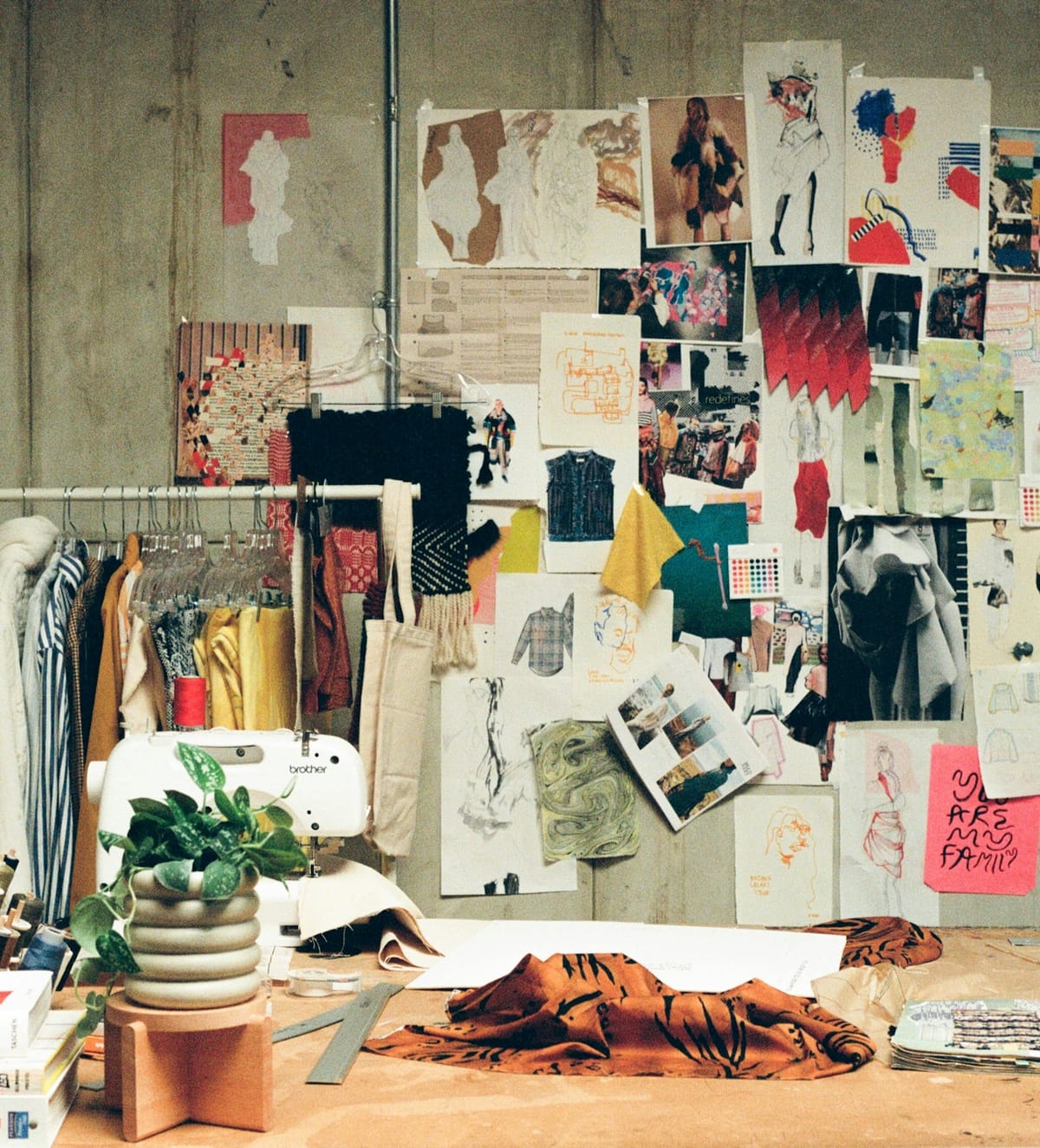
Let’s say, for example, you’re a fashion designer building a small label. You have vision, talent, and taste, but translating that into a consistent brand, a sustainable business, and an audience that truly gets you can feel overwhelming.
The Canvas helps you zoom out and visualize how your creative world fits together: the people, the product, the process, and the purpose.
With that in mind, go ahead and print it out. Grab a pen (or do it on your computer). Fill it in without overthinking. Step back and look at the gaps. That’s where the insight lives.
The goal isn’t to “complete” it, it’s to reveal what’s missing, what’s strong, and what needs rethinking.
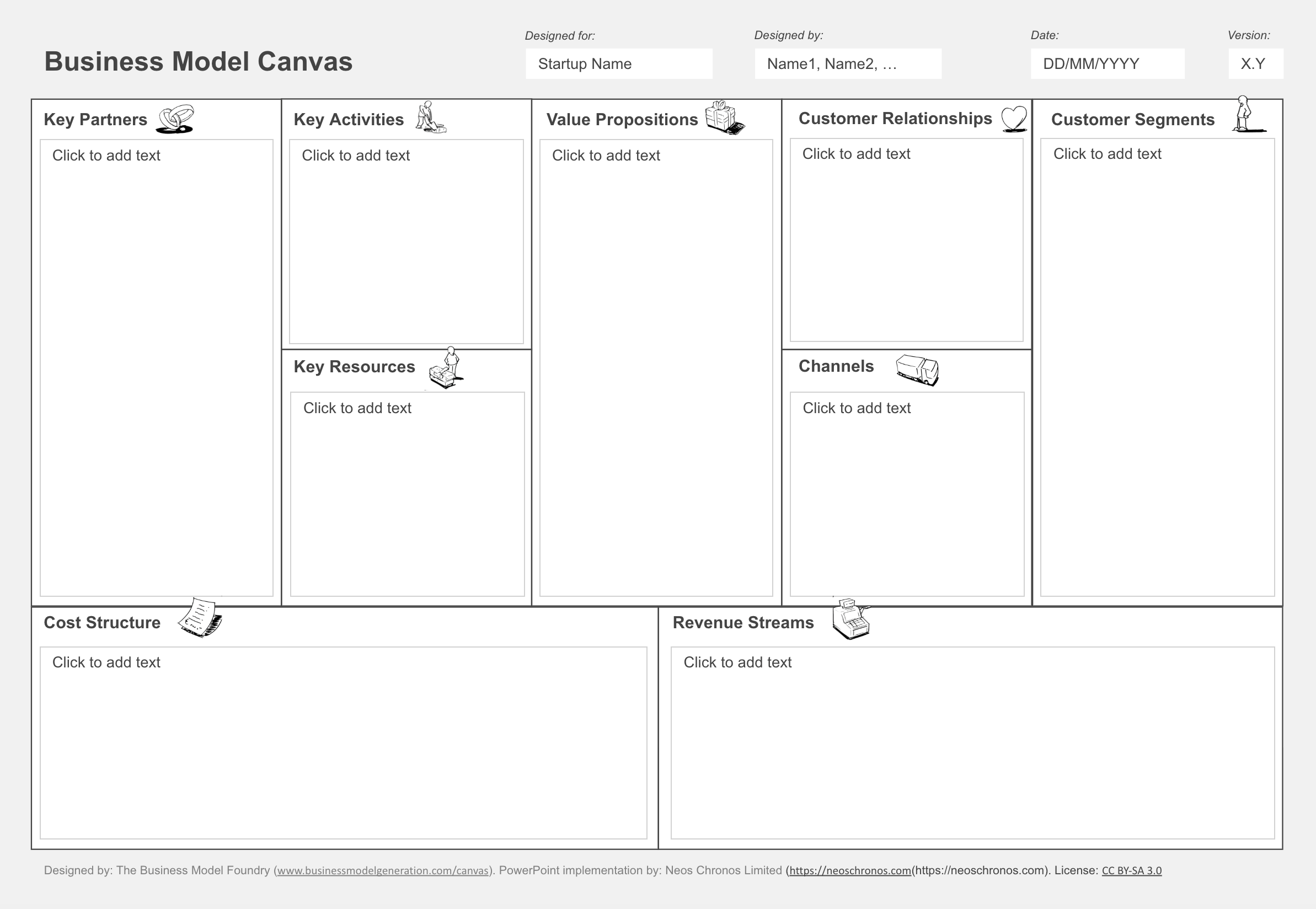
Working through Each Section
Use this framework with your own creative practice in mind. Let’s stay with the fashion designer example.
1. Value Proposition → What’s your core promise?
You don’t just make clothes—you design confidence. Maybe your promise is sustainable luxury, or timeless pieces that challenge fast fashion. Define your creative edge in emotional terms.
2. Customer Segments → Who is it for?
Who wears your designs—and why? Emerging professionals? Conscious consumers? Stylists or boutique buyers? Clarity here shapes everything else.
3. Channels → How will they find you?
Instagram, pop-up shops, runway shows, PR placements, collaborations. Identify the channels that fit your brand voice and audience behavior.
4. Customer Relationships → How do you stay connected?
Personal styling appointments, newsletters, storytelling through lookbooks, community events. The post-purchase relationship is where loyalty lives.
5. Revenue Streams → How does it sustain itself?
Direct-to-consumer sales, limited drops, custom commissions, wholesale partnerships. The key is to diversify without diluting your brand.
6. Key Resources → What do you need?
Fabric suppliers, production partners, a skilled seamstress, studio space, e-commerce tools, your creative team. Name your must-haves.
7. Key Activities → What do you actually do?
Designing, sourcing, production management, marketing, brand storytelling. Write down the work that drives the value you create.
8. Key Partners → Who helps you make it real?
Pattern makers, photographers, models, influencers, fabric mills. Every creative ecosystem relies on collaboration.
9. Cost Structure → What does it take?
Materials, production, marketing, labor, packaging, shipping. Knowing your true costs lets you price with confidence and intention.
Freedom Through Form
Creative people often resist structure because they think it limits freedom. But the opposite is true: structure creates freedom.
Think of your idea as a vehicle. The Business Model Canvas helps you assemble the parts: your value proposition is the engine, your audience is the passengers, your channels are the roads, and your revenue streams are the fuel.
Without those, your idea doesn’t move; it just sits, gleaming but still.
The Canvas doesn’t tell you what to make. It helps you understand why it matters and how it works.
Start Small. Start Today.
You don’t need a company to use it. Start with your next project: a capsule collection, a curatorial project, art classes for kids, or whatever.
Sketch your idea’s anatomy. Challenge your assumptions. Clarify your value.
Ask yourself: What’s the one part of my creative system I’ve never articulated clearly?
That’s where your next breakthrough probably lives.
The Canvas isn’t about becoming more corporate; it’s about becoming more intentional.
Because when creatives learn to contextualize their ideas, they stop drifting. They start building.
They stop waiting for opportunity. They create it.
Next Steps
If this resonates with you, here’s your first assignment:
Download the Business Model Canvas, complete it for your next project, and send it my way.
The first five people who subscribe to this Substack and share their completed Canvas by October 31, 2025, will receive a free personal review.
I’ll help you sharpen your value proposition, define your audience, and turn your creative vision into a sustainable model.
Your creativity deserves clarity. Let’s build that foundation together.